
Tarot for Beginners: Learn the Cards and Start Reading
Learn tarot as a reflective practice with beginner guides to tarot cards, decks, meanings, questions, and easy tarot spreads.
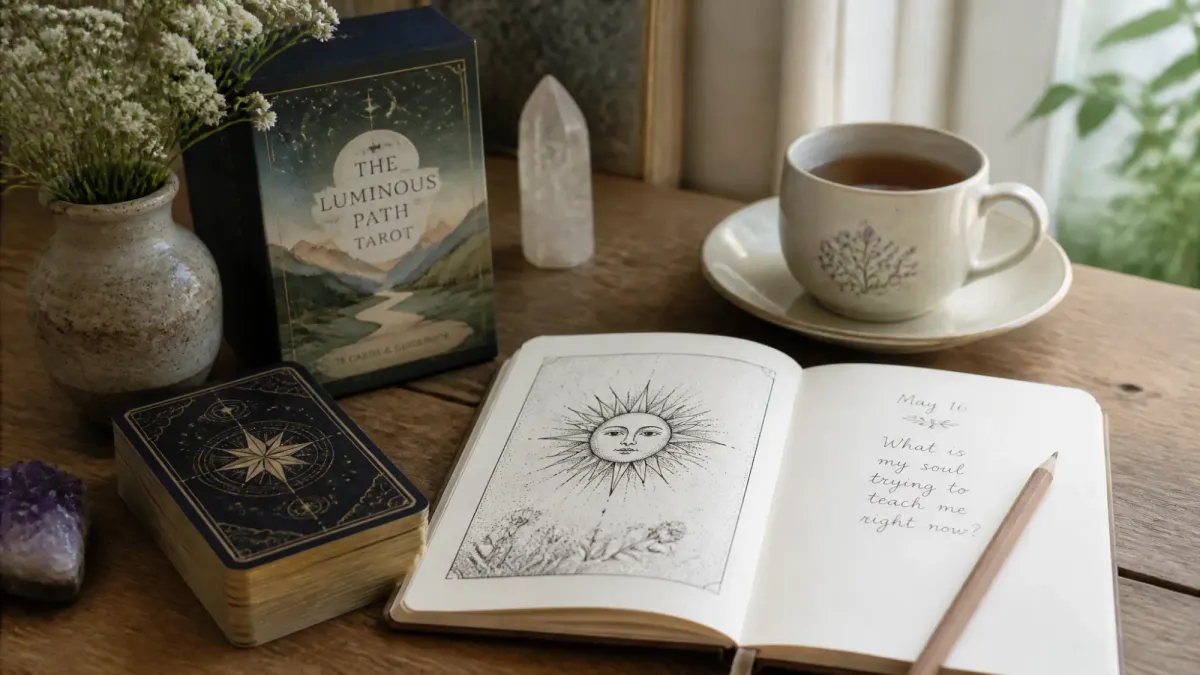
Tarot is a reflective practice that can help you slow down, explore meaningful questions, and notice possibilities you may have overlooked. You don’t need special abilities or years of experience to begin—just curiosity, an open mind, and a willingness to trust your own interpretation.
This beginner-friendly tarot guide will help you understand the cards, choose your first deck, learn simple spreads, and develop a personal reading practice grounded in reflection rather than fear or certainty.
Start reading
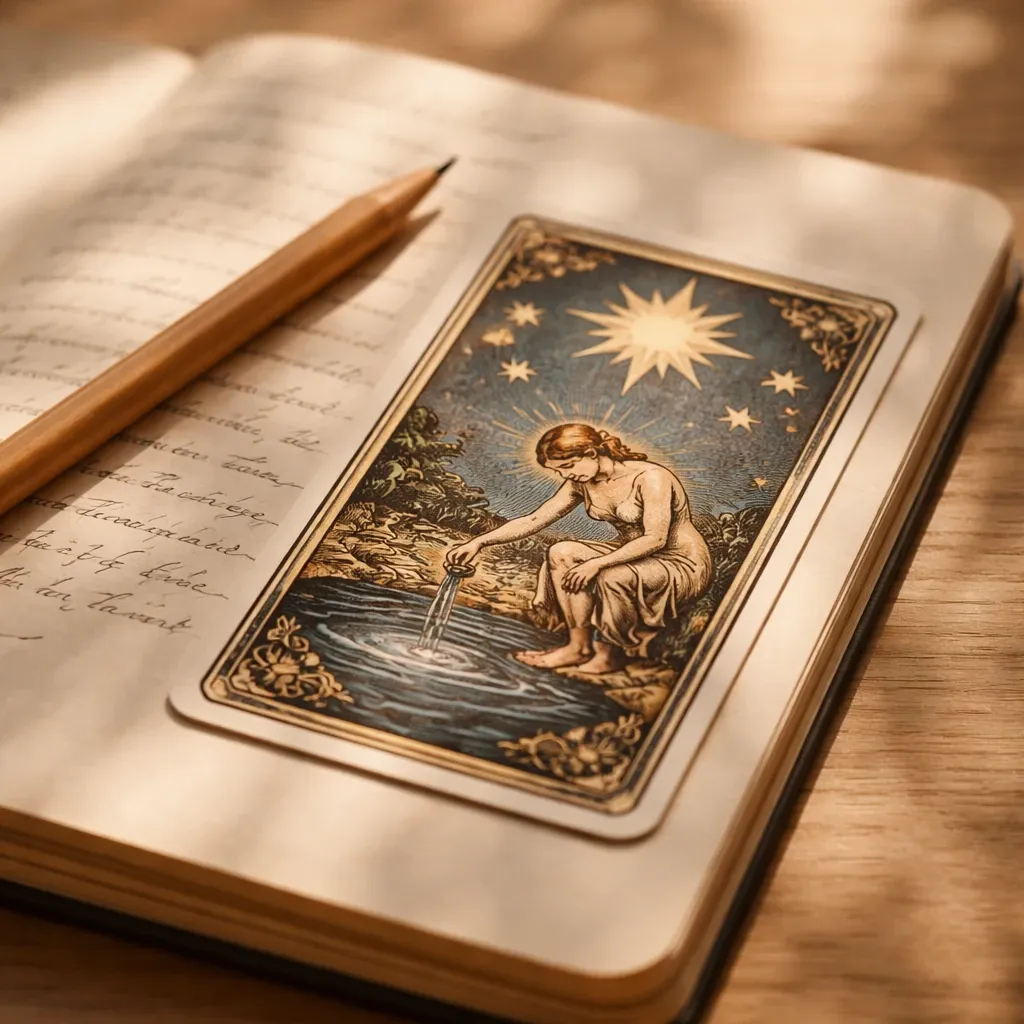
Practice your interpretation
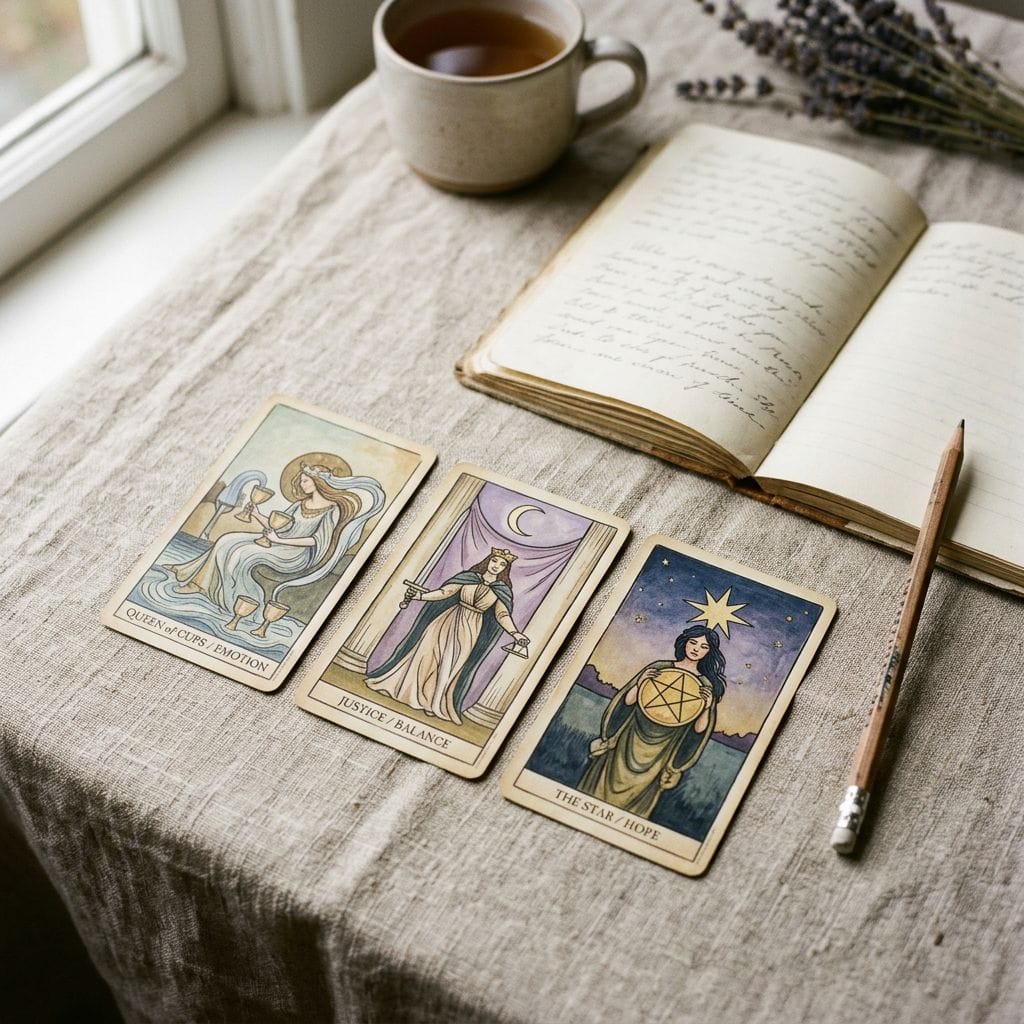
What is tarot and how does it work?
Tarot is a deck of 78 illustrated cards used to explore a question, situation, or pattern from a fresh perspective. A reading combines the traditional themes of the cards with what you notice in the artwork and what feels relevant to your life. The goal is not to uncover one guaranteed answer. It is to create a structured pause in which you can reflect more honestly and consider choices with greater awareness.
You can read tarot for yourself, with a friend, or with a professional reader. Beginners often assume they need psychic ability, but a useful reading begins with simpler skills: observing details, making connections, asking open-ended questions, and staying curious about more than one interpretation.
What is in a tarot deck?
Most modern tarot decks contain 78 cards divided into the Major Arcana and Minor Arcana. Learning this basic structure makes the deck feel much less overwhelming.
The Major Arcana
The 22 Major Arcana cards explore broad human experiences such as beginnings, change, courage, uncertainty, responsibility, and completion. Cards like The Fool, Strength, The Hermit, and The World often point to the larger theme or lesson surrounding a question. Our guide to the Major Arcana and Minor Arcana explains how the two groups work together.
The Minor Arcana
The 56 Minor Arcana cards focus on everyday life. They are organized into four suits—Wands, Cups, Swords, and Pentacles—and each suit contains numbered cards plus four court cards. The suits can help you notice whether a reading emphasizes motivation, emotions, thoughts, communication, resources, work, or practical action. Use our guide to the four tarot suits as a quick reference while you practise.
How to read tarot cards step by step
- Choose one clear question. Open-ended prompts usually create more useful readings than yes-or-no questions. Try “What should I understand about this situation?” or “What could help me move forward?”
- Select a simple spread. Begin with one card or a three-card layout. A small spread gives you enough information to explore without creating unnecessary confusion.
- Pause before checking the guidebook. Notice the figures, colours, direction of movement, expressions, objects, and atmosphere in the card. Write down your first impression.
- Connect the card to its position. A card in a “challenge” position may suggest something different from the same card in a “next step” position.
- Read the cards as a story. In a multi-card spread, look for repeated suits, numbers, symbols, or contrasts. Ask how one card changes your understanding of another.
- Check the traditional meaning. Use the deck’s guidebook to add context, not to erase your own observations. Keep the interpretations that genuinely fit the question.
- End with a practical takeaway. Summarize the reading in one or two sentences and name a small action, reflection, or follow-up question.
If you are unsure how to phrase your prompt, these better tarot questions can help you move from prediction-focused wording toward reflection and choice.
Do you need to memorize every tarot card?
No. Memorization develops naturally through repeated use. In the beginning, focus on a few dependable clues rather than trying to recall a perfect definition for every card:
- The image: What is happening, and where does your attention go first?
- The suit: Does the card emphasize action, emotion, thought, or practical matters?
- The number: Does it suggest a beginning, development, tension, adjustment, or completion?
- Your question: Which part of the card feels most relevant to the situation you asked about?
Keep your guidebook nearby and record short notes after readings. Over time, the cards become familiar because you have seen them in real situations, not because you forced yourself to memorize a list.
Try a simple one-card tarot practice
A one-card reading is one of the best ways to learn tarot. It is quick enough to repeat and focused enough to help you understand each card in context.
- Ask, “What quality would be helpful for me to bring to today?”
- Draw one card and spend a minute studying the image.
- Write three details you notice before reading the guidebook.
- Choose one interpretation that feels relevant and realistic.
- Return to your note later and reflect on how the theme appeared—or did not appear—in your day.
When you are ready for more structure, try one of these easy tarot spreads for beginners. You can also date your notes and track recurring cards, suits, and questions in a tarot journal.
Common beginner tarot mistakes
- Drawing too many clarification cards. More cards do not always create more clarity. Pause and work with the original spread first.
- Treating the guidebook as the only correct answer. Traditional meanings are a foundation, but the image, question, and card position also matter.
- Repeating the same question until you get a preferred card. This can turn reflection into reassurance-seeking. Give the first reading time to settle.
- Assuming a difficult-looking card predicts disaster. Cards such as Death, The Tower, or Ten of Swords often describe change, disruption, limits, or an ending—not a fixed event.
- Using tarot instead of informed judgment. Let a reading support reflection, then use reliable information, conversation, and professional advice when making important decisions.
Frequently asked questions about learning tarot
Can tarot predict the future?
Some readers use tarot predictively, but the cards do not prove that one future is fixed. A grounded approach treats a reading as a picture of current themes, influences, and possible directions. Your choices and circumstances can change what happens next.
Should beginners read reversed cards?
Reversals are optional. You can keep every card upright while learning and still give thoughtful readings. If you later add reversals, use them as nuance—for example, blocked, internalized, delayed, or excessive energy—rather than automatically treating them as negative.
Do I need to cleanse a new tarot deck?
No special ritual is required. Some people enjoy shuffling, arranging the cards in order, journaling with the deck, or taking a quiet moment to set an intention. Choose a practice that helps you focus without treating it as a rule.
How often should I read tarot?
Consistency matters more than frequency. One thoughtful reading each week can teach you more than several rushed readings each day. If a question feels emotionally charged, step away and return when you can consider the cards with more balance.
Keep your tarot practice grounded
Tarot can be a meaningful companion for journaling, creative thinking, and self-reflection, but it is not a substitute for qualified medical, mental-health, legal, or financial advice. For high-stakes concerns, use the cards to identify questions you want to explore and seek support from an appropriate professional.
A Gentle Way to Learn Tarot
Use tarot as a tool for reflection, journaling, and self-discovery. The cards don’t have to predict a fixed future. Instead, they can offer images and ideas that help you name what you’re feeling, clarify a decision, or consider your next step with greater awareness.
Keep your readings practical, compassionate, and connected to your own judgment.
Keep learning with Astrological Insights
Join the free weekly newsletter for beginner-friendly tarot guidance, practical astrology insights, one reflective tarot prompt, and a carefully chosen guide from our library.